
Context Engineering with Brokk
“Everything should be made as simple as possible, but no simpler.”
Context engineering for software development is feeding a large language model just the right slice of project history, source code, and tool access so the model can implement your instructions effectively. Get the slice wrong and you will get the well-known failure mode of hallucination if it doesn’t have the relevant APIs at hand, or on the other hand, it will perform like a much, much dumber model if you drown it in details.
Brokk’s mission is to let you comfortably live in the band where the slice is just right.
There is no Magic Bullet
Most AI coding tools try to guess what context your request needs and provide it to the LLM along with your prompt. When it works, this feels great! Give into the vibes, as Karpathy said.
But when it doesn’t work – and you will always run into scenarios where it doesn’t work – it’s incredibly frustrating, because not only do you have limited tools to fix the problem, you can’t effectively troubleshoot what went wrong in the first place because you can’t actually see what the model was fed by the magic black box.
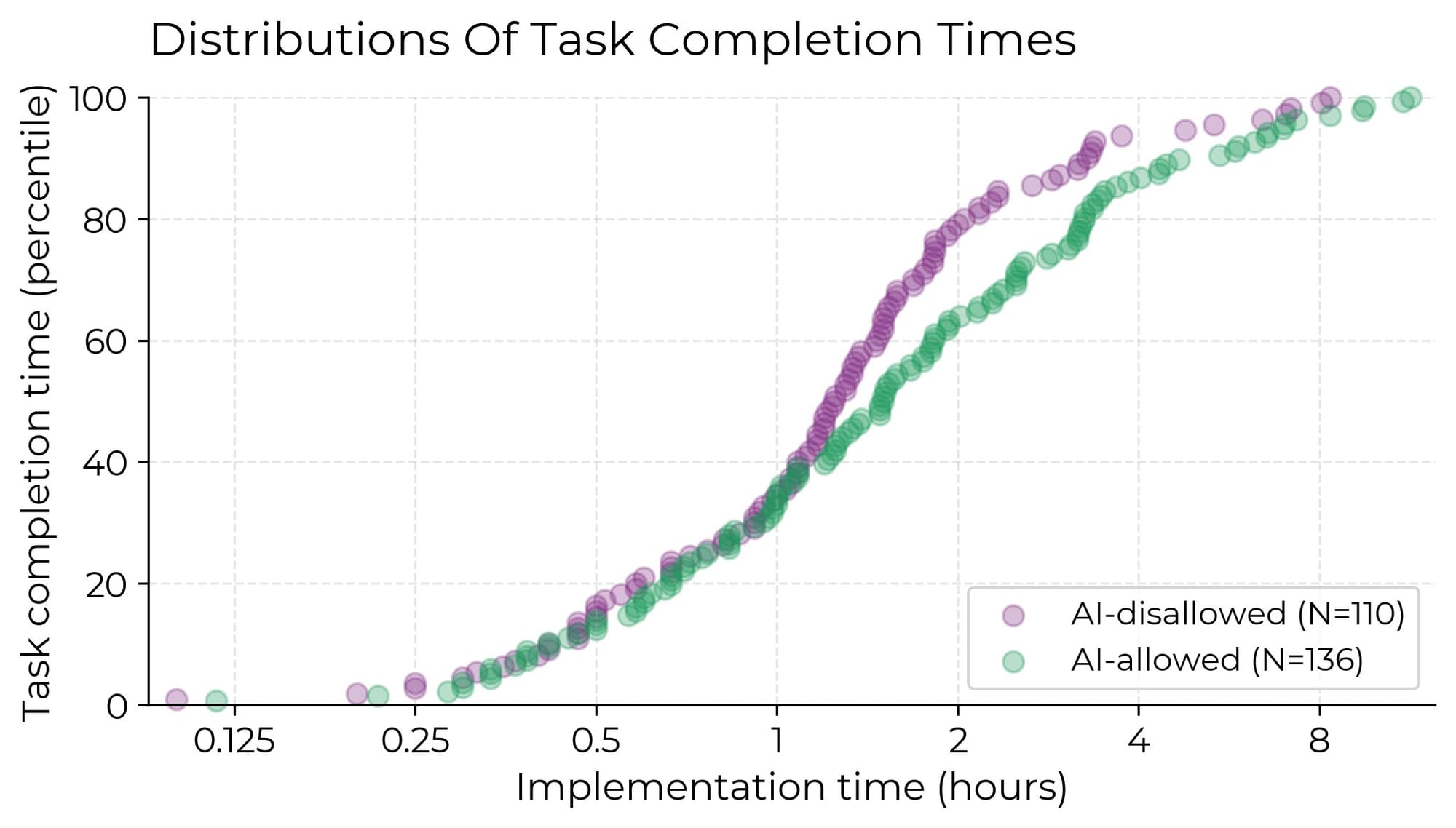
A recent study showed this conclusively: 16 experienced open-source developers working on 246 real tasks in their own repositories got 20% slower when using Cursor.
How Brokk Redraws the Line
Brokk is a power tool that lets you operate at a higher level, intentionally shaping the context (in the Workspace) while AI handles the tactical slog of code generation.
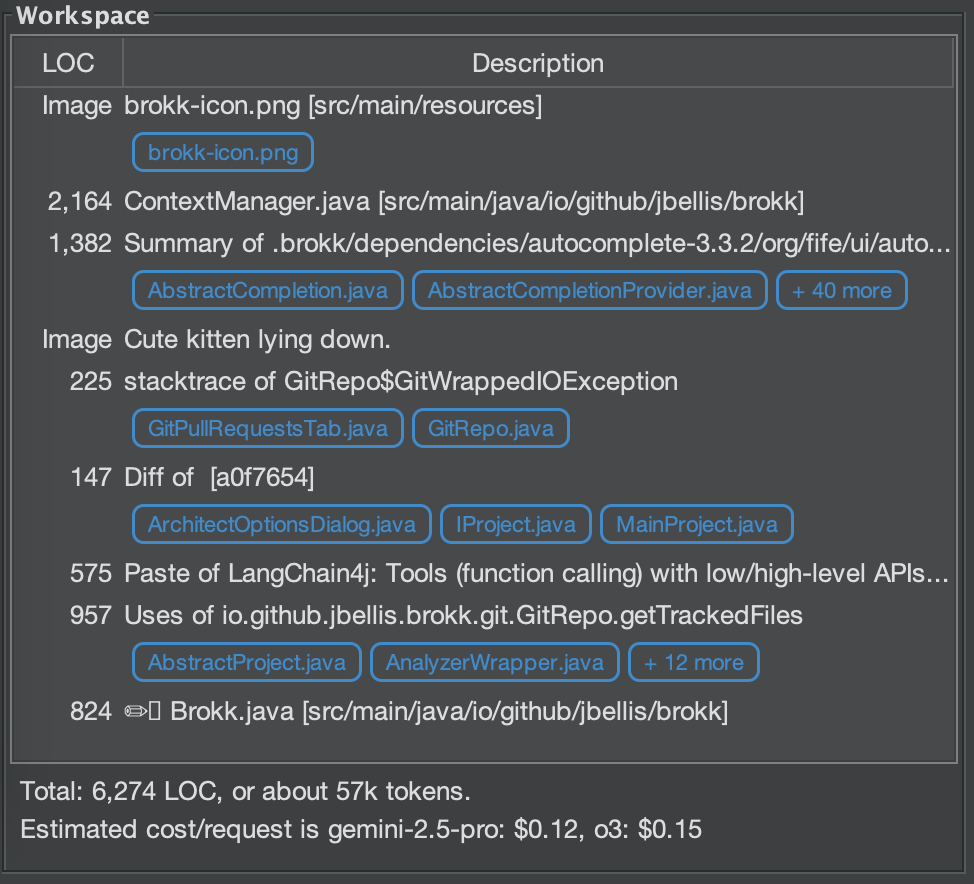
You can still drill down to the level of individual lines of code if necessary, but this is a secondary consideration; if you are doing that routinely then something has gone wrong. This makes Brokk a very different animal than what everyone is used to! but we think it’s necessary to turn context from an afterthought into the central concern of modern programming.
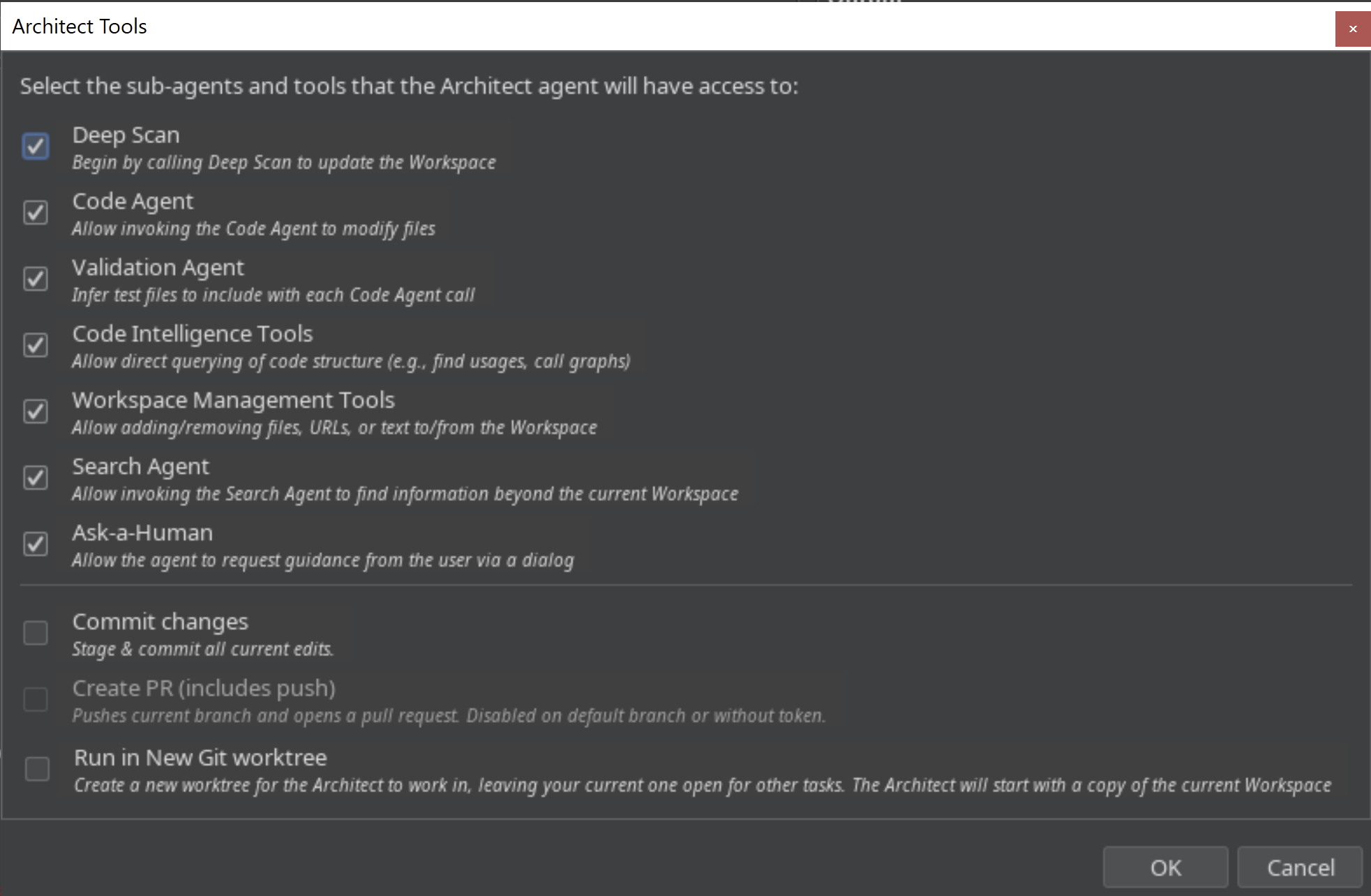
To do this, Brokk gives you the ability to turn syntax into context. Your code isn’t just text, and your LLM shouldn’t be limited to reading entire files or (god help you) scanning them 100 lines at a time looking for the right method definition. Brokk lets you define and attach call graphs, usages of a field or method or class, and as the source of individual classes or methods, all with full autocomplete. (And all available to Brokk’s agentic coding tool, the Architect.)
Brokk also knows that your source history records vast amounts of tacit knowledge explaining why today’s code looks and acts the way it does, so capturing diffs from commit ranges or individual file history is a single click.
To streamline your workflow, Brokk does its best to help automate context retrieval with tools like Quick Context, Deep Scan and agentic Search. (Check out this video where Brokk developer Lutz Leonhardt uses Brokk to fix a bug in jbang, which he has never touched before.)
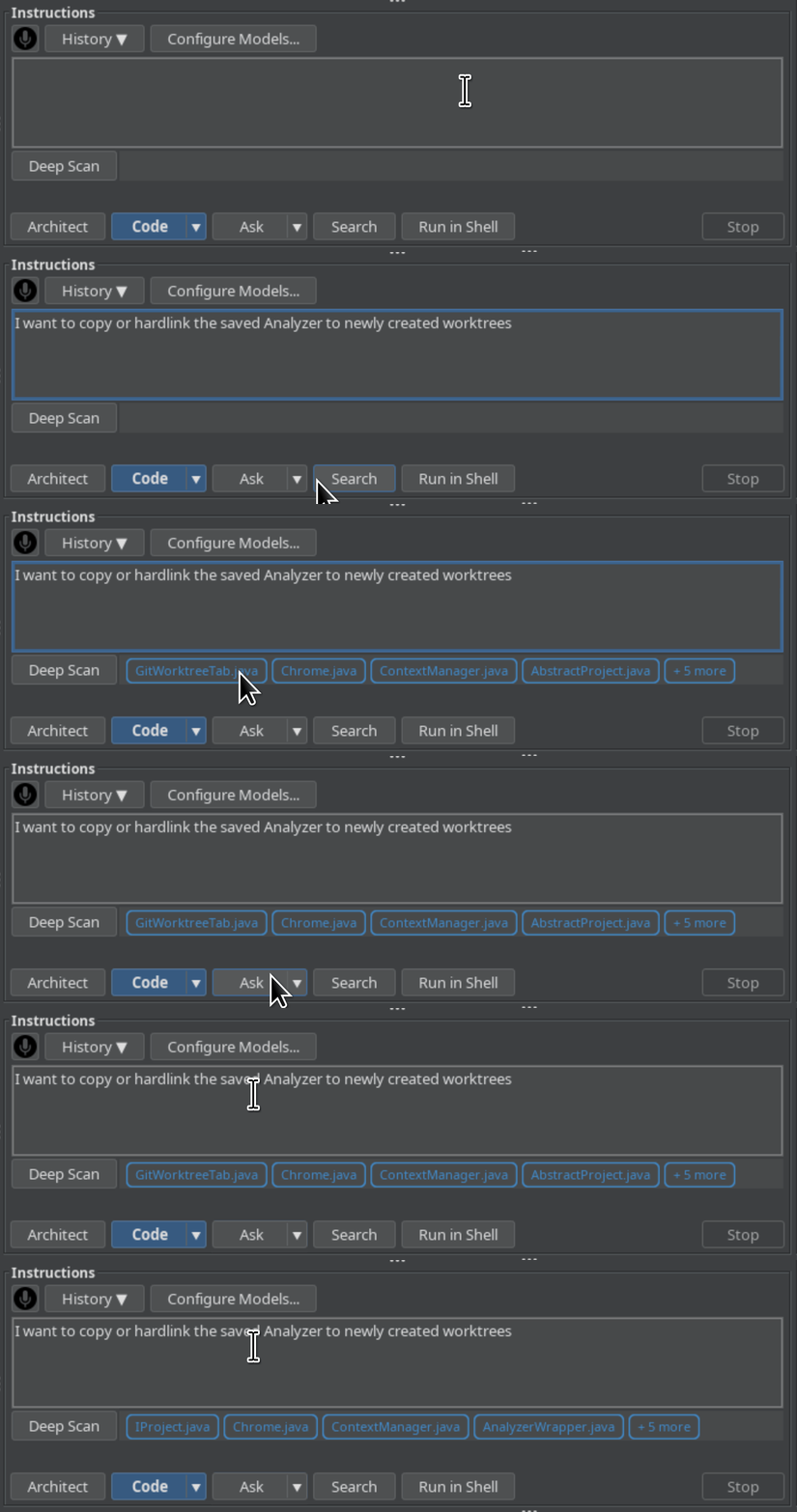
The key difference from a “magic box” is that the output of these tools is ordinary context fragments that can be manipulated like any other. Similarly, capturing an issue to solve or a pull request to review also results in visible, editable Workspace fragments.
Closing Thoughts
Context engineering sounds abstract until you feel the difference between vibe coding and a tool that respects the boundary between human judgment and machine inference. Brokk sits exactly on that boundary. It hands you a steering wheel, not a roulette wheel.
Plenty of companies will promise you a magic black box. But if you want to make software development as simple as possible, and no simpler, Brokk is the tool you’ve been waiting for. Try Brokk today!